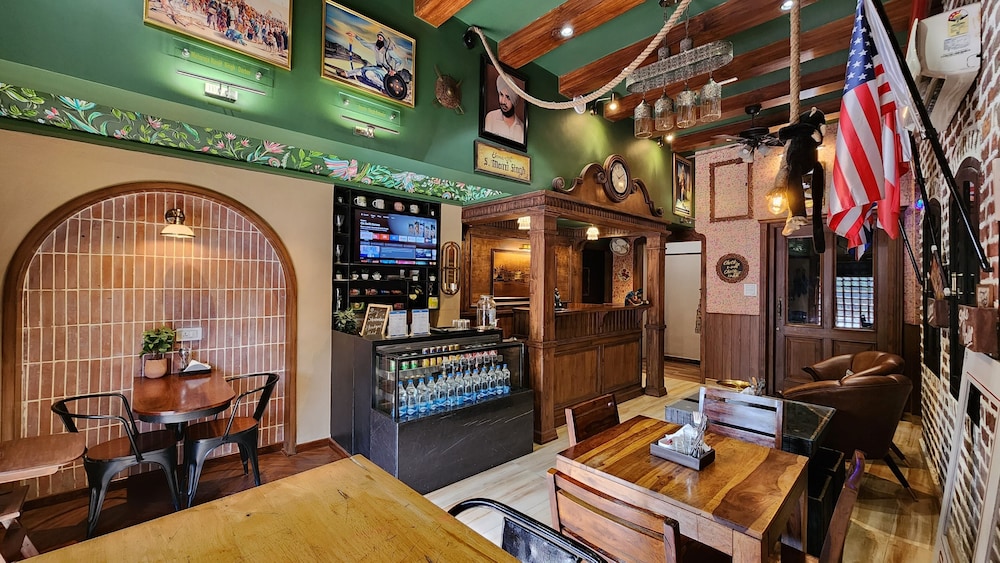
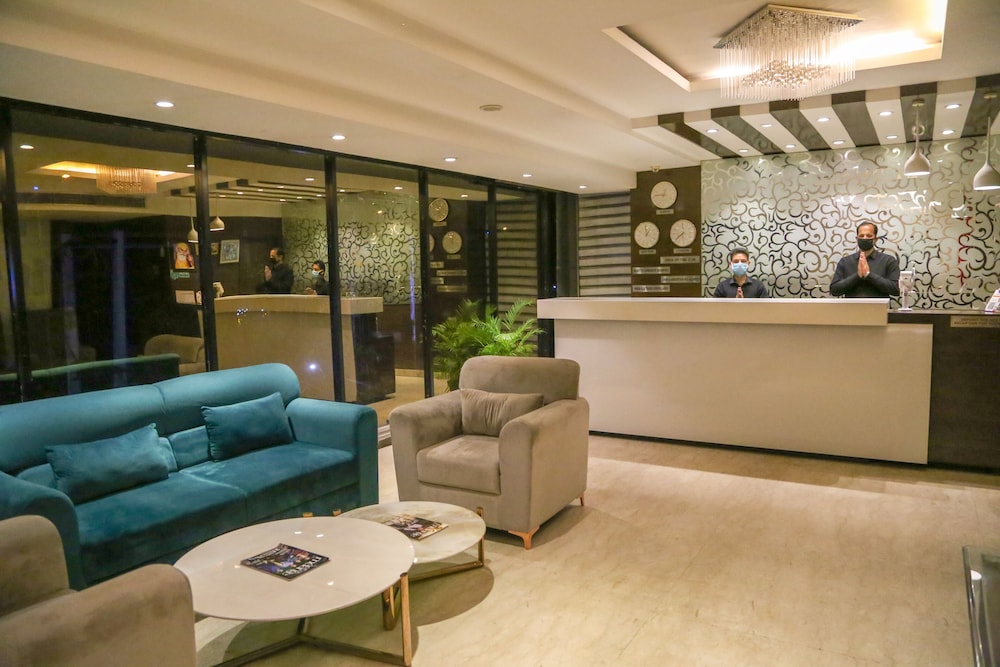
1 stage, 1 place to sleep
Open a stage to see what you pass and where to stay that night.

Planning the Amritsar Walled City Walk — the practical guide
The Amritsar Walled City Walk covers 6 km from Town Hall to Katra Ahluwalia in a single stage. It is designed as one committed day — start early and let the terminus town absorb the evening. You walk it in the order written, but every stage town works as an entry or exit point, so the route sections cleanly for shorter trips.
Overnights run Amritsar — each bookable from the stage cards above. Book the smallest stops first: a village with a handful of guesthouses sells out weeks before a resort with fifty.
Planning & pacing
Punjab is not a walking destination in the Himalayan sense — the state is flat, hot, and built around vehicles. What it does have is three exceptional urban walks: the walled city of Amritsar, the Corbusier Capitol at Chandigarh, and the compact royal quarter at Patiala. All three are doable in a morning or a long afternoon, and all three are much better on foot than in a car because the streets are either too narrow (Amritsar), too grand (Chandigarh), or too clogged (Patiala) to make driving sensible.
The Amritsar walled city walk is the essential one. Start at Town Hall on Heritage Street, take the plaza slowly, detour into Jallianwala Bagh for the memorial to the 1919 massacre, and finish at Harmandir Sahib. Deposit shoes at the counters outside — free — cover your head, and walk the parikrama clockwise. Volunteers at the langar hall serve 50,000+ meals a day and welcome you to eat one. This is not a photo-op stop; sit down, eat, and stay a while.
When to go
October to March again. The walled city of Amritsar in July is a sweatbox — 38°C plus humidity from the sarovar around the Golden Temple, plus close-packed lanes with no airflow. In January it's magical: cold enough for the marble parikrama to be pleasant underfoot even at midday, mist rising off the water at dawn.
Chandigarh walks are more forgiving because the sectors are open and tree-lined, but the Capitol Complex is baking in May afternoons. Do it at 7am, get your permit sorted the day before at the Tourism Office in Sector 17. Patiala sits inland and dry — pleasant November through February, brutal April through June.
What to pack
For gurdwara visits — which any Amritsar or Anandpur Sahib walk involves — bring a scarf or head covering, wear something you can remove easily at the shoe counter, and leave the shorts at home. Comfortable closed shoes are fine; you’ll be barefoot inside the complexes. A refillable water bottle matters more than you’d think — walking six kilometres in the walled city in warm weather is thirsty work and the gurdwara jal (drinking water) counters are safe and free.
For Chandigarh's Capitol, print your permit and carry your passport — the security check is real. Cameras are allowed but no bags larger than a small daypack. For Patiala, nothing special — a light bag, sunscreen, and cash for the phulkari shops if you find something you like.
Transport & logistics
Guided walks are available in Amritsar for around ₹800-1,500 per person through the Punjab Heritage Trust and a handful of independent guides who work out of the Town Hall area. They’re worth it the first time — the katras are hard to navigate and the history is dense. For Chandigarh, the Capitol Complex runs free guided tours twice daily (10am and 3pm) once your permit is approved. Patiala has no formal guiding but the Qila Mubarak has a small on-site interpretation team.
None of these walks require accommodation booking beyond the city itself. Stay near the Golden Temple in Amritsar (Heritage Street or the katra guesthouses), in Sector 17 or 22 in Chandigarh, and near Baradari Gardens in Patiala. All three are compact enough that hotel-to-walk-start is a five-minute rickshaw or a fifteen-minute walk.
Eating along the route
The langar hall at the Golden Temple is the obvious answer and also the correct one — free, 24/7, and one of the most efficient volunteer operations on earth. Eat there at least once. Beyond that, the walled city has excellent small places: Bharawan Da Dhaba for the amritsari thali, Ahuja Milk Bhandar for lassi (the small clay-cup one, not the tourist-sized version), and Kanha Sweets for jalebi at 6am if you can find it open.
In Chandigarh, the Sector 17 plaza has aged into a decent food hub — Sindhi Sweets for chaat, Barbeque Nation for the group meal, and any of the sector-market coffee shops for a Chandigarh coffee experience that's genuinely underrated. Patiala's food scene revolves around the old bazaar — try Nauras for the Patiala shahi paneer and the pinni shops around Adalat Bazaar for takeaway sweets.
Safety & local rules
Urban walking in Punjab is safe by any standard. Amritsar's old city has some pickpocket risk in the very densest stretches near the Golden Temple entrance — keep phones and wallets in front pockets or a zipped bag, and you’re fine. Women walking solo report no significant issues in daylight in any of these three cities; after 9pm the walled city empties out and it's more comfortable in a group or a rickshaw.
Traffic is the actual risk. Amritsar's katras have cycles, motorbikes, and the occasional car nosing through lanes that don’t accommodate them. Walk on the extreme edge, listen for horns, and don’t stop suddenly in narrow sections. Chandigarh sidewalks are wide and well-maintained but crossings are chaotic — cross with locals, not alone.
Amritsar Walled City Walk: questions, answered
Hotels along this route
See all stays →Curated picks are coming — meanwhile, the live search covers every bookable property at the same price or better.