live in punjab
Home · Museums & Heritage

Punjab’s museums and memorials, without losing the day

To-the-point visit guides: the minimum you must see and which gallery it sits in, real opening hours, and every free-entry window — from Virasat-e-Khalsa to the small district museums almost nobody visits.

Golden Temple gilded sanctum reflected in the Amrit Sarovar at dawn
Free Half day
Golden Temple (Sri Harmandir Sahib)
The holiest gurdwara of Sikhism — a gold-plated sanctum floating on a sacred pool that welcomes every faith, every day.
Free: Always free · Langar (community meal) free 24 hours
White-domed Takht Sri Kesgarh Sahib rising above Anandpur Sahib
Free 2-3 h
Takht Sri Kesgarh Sahib
One of the five supreme seats of Sikh authority — the birthplace of the Khalsa, founded by Guru Gobind Singh in 1699.
Free: Always free · Langar free 24 hours
Golden domes of Gurdwara Fatehgarh Sahib memorial complex
Free 2-3 h
Gurdwara Fatehgarh Sahib
The moving memorial where Guru Gobind Singh's two youngest sons were bricked alive in 1705 — Sikhism's most emotional pilgrimage.
Free: Always free · Langar free 24 hours
Silver-doored Durgiana Temple mirrored in its own sacred tank
Free 1-2 h
Durgiana Temple
The 'Silver Temple' of Amritsar — a Hindu shrine built in Golden-Temple style, dedicated to Durga, Lakshmi and Vishnu.
Free: Always free
Nine-storey octagonal tower of Baba Atal Sahib rising beside the Golden Temple
Free 1 h
Gurdwara Baba Atal Sahib
Punjab's tallest gurdwara — a nine-storey octagonal tower built in memory of Guru Hargobind's nine-year-old son.
Free: Always free · Langar free daily
Gurdwara Darbar Sahib Tarn Taran with the largest sarovar of any gurdwara
Free 2-3 h
Gurdwara Darbar Sahib Tarn Taran
Founded by Guru Arjan Dev in 1590, this gurdwara holds the largest sacred tank of any Sikh shrine — bigger even than the Golden Temple's.
Free: Always free · Langar free 24 hours
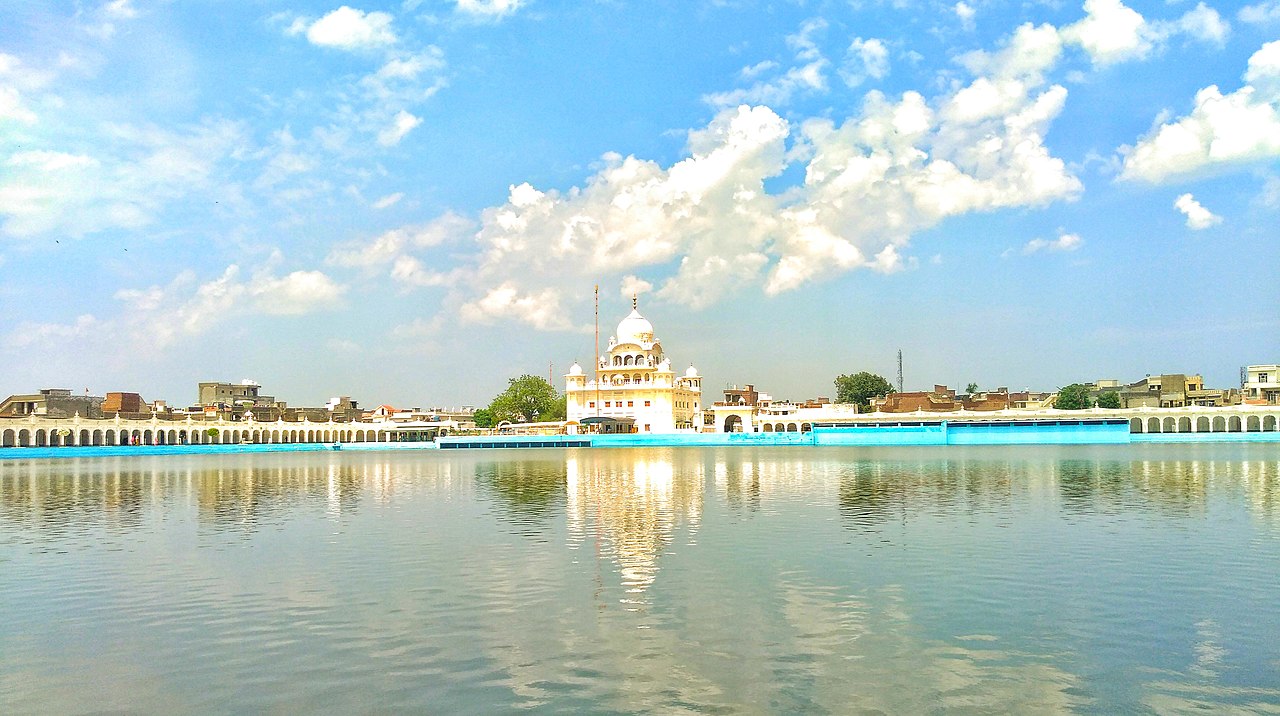
Gurudwara Tuti Gandi Sahib complex at Sri Muktsar Sahib
Free 2-3 h
Gurudwara Sri Muktsar Sahib
The 1705 battlefield where 40 Sikh warriors gave their lives for Guru Gobind Singh and were granted mukti — spiritual liberation.
Free: Always free · Langar free 24 hours
Ram Tirath Temple complex with the ancient banyan of Valmiki
Free 2-3 h
Ram Tirath Temple
The birthplace of Luv and Kush, twin sons of Ram and Sita — believed to be where Maharishi Valmiki composed the Ramayana.
Free: Always free · Extra shuttle buses during November mela
Devi Talab Mandir with its sacred pool and gold-domed shrine
Free 1-2 h
Devi Talab Mandir
One of the 51 Shakti Peethas — where Sati's right breast is said to have fallen — with a 200-year-old sacred tank at its heart.
Free: Always free
Red-domed Kali Devi Mandir Patiala built by Maharaja Bhupinder Singh
Free 1-2 h
Kali Devi Mandir
The royal temple of the Patiala Sikh state — built in 1936 by Maharaja Bhupinder Singh with a black stone Kali brought from Bengal.
Free: Always free
Gurdwara Shaheed Ganj Baba Deep Singh with the martyr's memorial
Free 1 h
Gurdwara Baba Deep Singh Shaheed
The site where the 75-year-old warrior-scholar Baba Deep Singh laid down his severed head in 1757, having vowed to die at the Golden Temple.
Free: Always free · Langar free daily
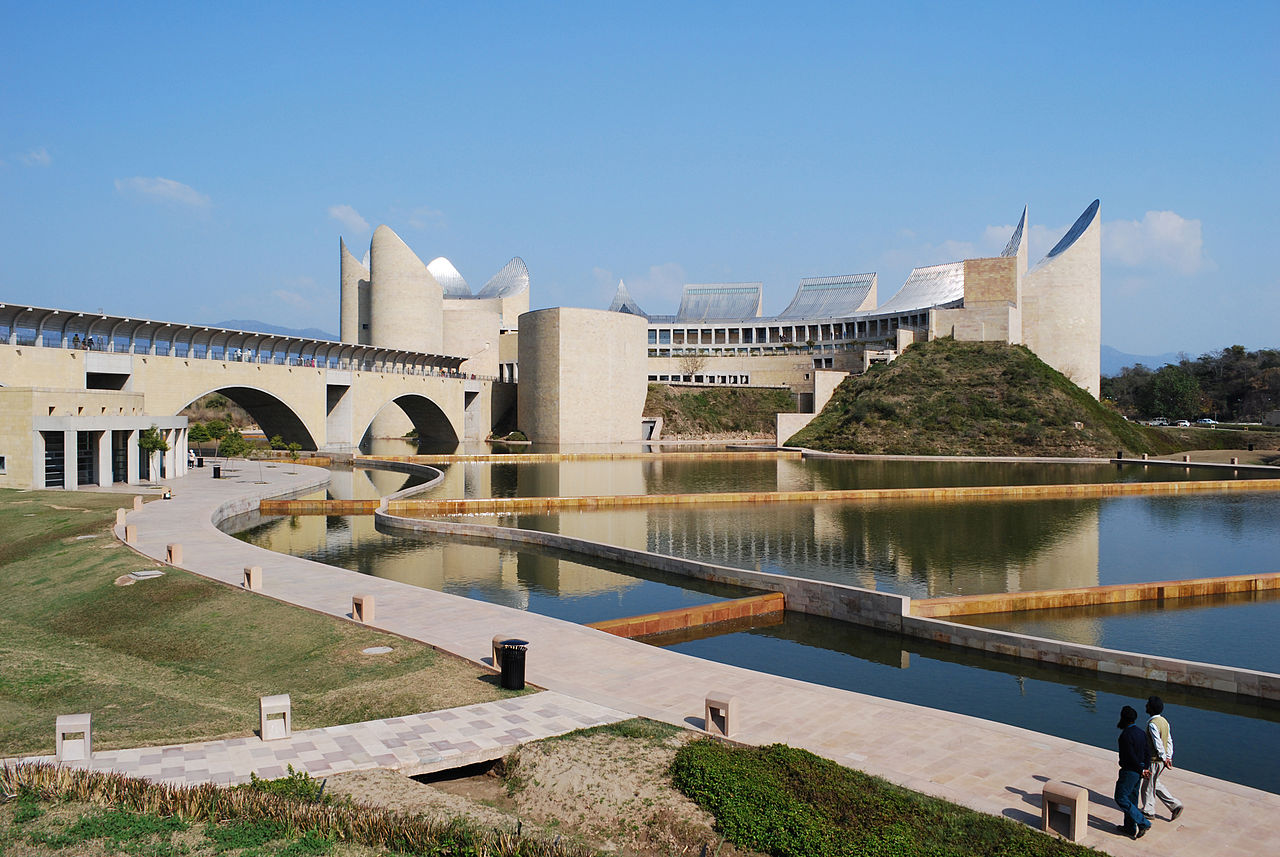
Moshe Safdie-designed Virasat-e-Khalsa museum with stainless-steel petal roofs
Free Half day
Virasat-e-Khalsa
Moshe Safdie's stunning museum of Sikh heritage — five centuries of history and 300 million pilgrim-visitors served since 2011.
Free: Free (from 2017 onwards)
Sleep beside the heritage trail
Hotels beside Virasat-e-Khalsa, the Partition Museum and the Golden Temple precinct from ₹1,800/night — price-matched, and every booking removes a tonne of CO₂.
Search hotels →

How to do Punjab’s heritage sites without ruining the trip

Punjab spreads its major museum experiences across the state rather than a single mile, so trip planning matters more than in a compact museum-city. The flagship is Virasat-e-Khalsa at Anandpur Sahib — an architectural set-piece the size of a small campus — and Amritsar owns the twin heavyweights of the Partition Museum and the Golden Temple’s Central Sikh Museum. Chaining all three in a day is possible only on paper: one major site per day, opened at 10 am and left by noon, remains the rule of the traveller who goes home happy.

The other rule is to read the calendar before the map: most state and trust-run museums close on Mondays, Virasat-e-Khalsa rests on Mondays too, and several district collections — the Maharaja Ranjit Singh Museum in Amritsar, the Sheesh Mahal galleries at Patiala — are morning museums that lock their doors around 5 pm. Gurdwara museums attached to living shrines stay open long hours and are the reliable safety net for public-holiday days.

The free-entry masterplan

Punjab is arguably the Indian state where the most first-rank heritage can be seen for nothing — if you know which sites run on donation and which on ticket. The Central Sikh Museum inside the Golden Temple complex is free every day it opens (roughly 7 am to 8 pm); Gurdwara Baba Atal Sahib’s painted galleries beside it, likewise; the small museum at Gurdwara Fatehgarh Sahib and the interpretive gallery at Takht Sri Kesgarh Sahib are always free, funded by the sangat.

Add the always-free tier at temples with historical galleries — Durgiana Temple in Amritsar, Devi Talab Mandir in Jalandhar, Kali Devi Mandir in Patiala — and the free heritage walks run by the Amritsar tourism office on weekend mornings, and a full week of cultural sightseeing can cost less than one ticket to Virasat-e-Khalsa (which itself is only ₹200). Each guide below lists its exact free window.

Which museum for whom

First visit, one morning: Virasat-e-Khalsa at Anandpur Sahib, audio guide in hand — the two crescents of galleries tell 500 years of Sikh history in a walkable loop. The twentieth century and the trauma of 1947: the Partition Museum in Amritsar. A compact history of Sikh martial heritage in two hours: the Central Sikh Museum inside the Golden Temple. With children under ten the big sites exhaust everyone — the working armouries at the Qila Mubarak in Patiala and the model city at the Maharaja Ranjit Singh Museum win by a distance.

For the heritage-saturated partner, the marble parikrama of the Golden Temple at sunset and the light-and-sound show at Gobindgarh Fort in Amritsar are museums that don’t feel like museums. And if the state shuts down on a Monday — the feared combination — you still have every gurdwara complex, the temple galleries, and Gobindgarh Fort, which never takes a day off.

Sleeping beside the heritage trail

Geography helps: the old walled city around the Golden Temple in Amritsar puts the Partition Museum, the Central Sikh Museum, Jallianwala Bagh and Gurdwara Baba Atal Sahib under ten minutes’ walk apart, with plenty of cheap guesthouses pressed against the complex. For the Anandpur Sahib circuit (Virasat-e-Khalsa, Takht Sri Kesgarh Sahib, the nearby forts), the town’s pilgrim serais and Rupnagar’s hotels are the natural base.

Sleeping close turns the early-morning windows into a zero-logistics plan: gates open at 7 am, back by 10 for breakfast, out again at 4 pm when the light softens. Every museum guide links its area and nearby hotels at the foot of the page.

Questions, answered

Are Punjab’s museums free?
Every gurdwara-run museum is free (the Central Sikh Museum, Gurdwara Baba Atal Sahib’s galleries, the interpretive centres at Fatehgarh Sahib and Kesgarh Sahib), and temple museums at Durgiana, Devi Talab and Kali Devi Mandir are always free. Ticketed sites like Virasat-e-Khalsa (₹200) and the Partition Museum (₹250) are modest by any standard. The full plan is above.
Which museum should I pick if I can only visit one?
Virasat-e-Khalsa at Anandpur Sahib for the full sweep of Sikh history, the Partition Museum in Amritsar for the human weight of 1947, the Central Sikh Museum inside the Golden Temple for martial and devotional history in two hours. If truly one: Virasat-e-Khalsa.
Is there a combined ticket?
No official state-wide pass exists yet, but the Amritsar Heritage Walk (₹100) bundles the walled-city monuments and museum entries, and Anandpur Sahib’s Virasat-e-Khalsa ticket includes the adjacent Anandgarh Sahib complex. Most gurdwara sites are free, so bundling saves less here than travellers expect.
What days are the museums closed?
Most ticketed museums including Virasat-e-Khalsa and the Partition Museum close on Monday; Qila Mubarak in Patiala closes Wednesday; several small district museums shut at 5 pm daily. Every gurdwara and temple complex opens every day.
Can I do the big three in one day?
Only if two of them are in Amritsar (Partition Museum and Central Sikh Museum) — Anandpur Sahib is a three-hour drive away and needs its own day. Two hours per museum with a must-see list, one major per day, is the rhythm that works.
Do I need to book ahead?
For the Partition Museum on weekends and for the Wagah border ceremony that many travellers pair with a museum morning, yes. For Virasat-e-Khalsa and every gurdwara or temple site, turning up with a little margin is enough.