General safety picture
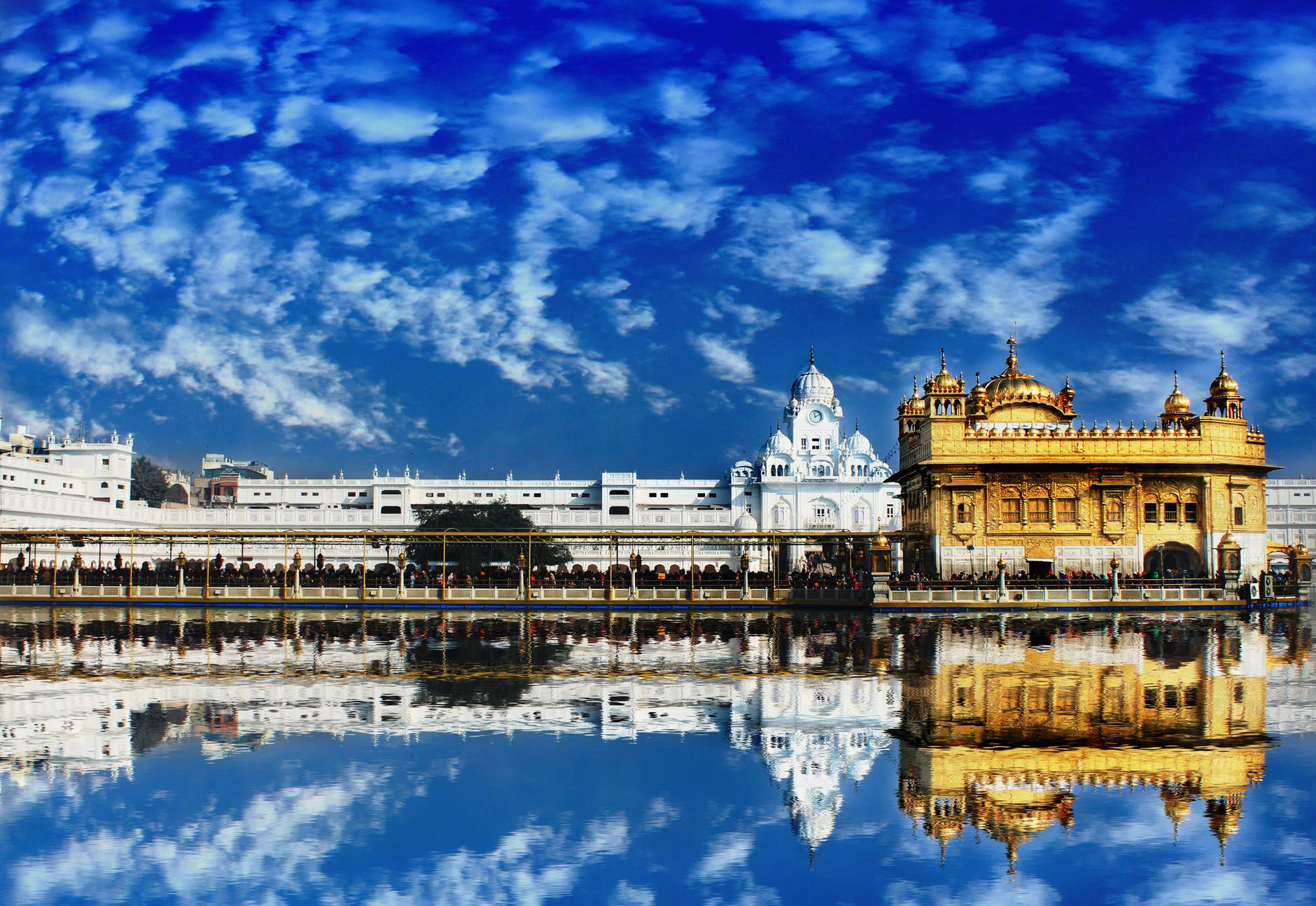
Punjab is one of the calmer states in India for tourists. Violent crime against foreigners is very rare. Solo women travelers report Amritsar's old city as notably safer than Delhi or Mumbai — the constant pilgrim traffic and Sikh cultural norms around hospitality help. Petty theft exists in crowds; keep phones in front pockets and don’t leave bags on chairs at Wagah. The Golden Temple has dedicated tourist police in kiosks around the parikrama.
Traffic and road safety
The biggest actual risk is road traffic. Punjab has one of India's highest highway fatality rates on the Amritsar-Chandigarh-Delhi corridor. Wear seatbelts even in the back of hired cars, avoid overnight buses, and don’t ride motorbikes without a helmet. Cross city streets slowly with locals; drivers rarely stop but they will steer around you if you move predictably.
Scams and hassles
Common: auto-rickshaw drivers claiming your hotel is closed and taking you to a commission-paying alternative — ignore, call the hotel to confirm. Fake gurdwara helpers demanding fees for shoe storage (real storage is free). Overcharging at tourist markets — bargain to 40-50% of first-quoted price at Hall Bazaar. Rare but present: dodgy currency exchangers giving old ₹500 notes; use ATMs instead.
Health basics
Drink only bottled or filtered water — Bisleri and Kinley are safe brands. Street food from busy stalls with high turnover is generally fine; empty stalls at odd hours are the risk. Amritsar has good private hospitals (Fortis Escorts, Amandeep) for anything serious. Winter fog can affect asthmatics; carry inhalers. Mosquitoes are minimal outside monsoon.
Questions, answered
Hotels for this guide
See all stays →Curated picks are coming — meanwhile, the live search covers every bookable property at the same price or better.